
 comparison
Steele Group Alternative for Comprehensive Coverage
Table of Contents
- What Comprehensive Coverage Actually Includes
- Steele Group Alternative for Comprehensive Coverage: Top Options Compared
- How to Compare Insurance Agency Coverage Side by Side
- Best Ways to Lower Insurance Premiums Without Losing Protection
- Choosing Between an Independent Agent and a Direct Carrier
- Cost-Benefit Analysis: Comprehensive vs. Collision
- Conclusion: Finding the Right Fit for Your Assets
- Frequently Asked Questions
Last Updated: September 9, 2026
What Comprehensive Coverage Actually Includes
Comprehensive coverage is the part of an auto insurance policy that pays for damage to your vehicle from events other than a collision, such as theft, vandalism, fire, hail, or hitting an animal. Most drivers misunderstand this protection because the name sounds vague, but the definition is precise: it covers non-collision events outside your control.

The core of comprehensive protection is financial security against unpredictable threats. If a tree branch falls on your parked car or a thief smashes a window, comprehensive coverage steps in where standard liability coverage stops. Liability coverage protects other drivers when you cause an accident, while comprehensive protects your own vehicle from everything else. According to the Insurance Information Institute's guide on auto insurance, comprehensive is typically sold alongside collision coverage, and together they form what lenders require when you finance a vehicle.

Steele Group Alternative for Comprehensive Coverage: Top Options Compared
When you search for a Steele Group alternative for comprehensive coverage, you are really looking for a provider that combines fair pricing, clear policy language, and responsive claims service. The market splits into two broad camps: national direct carriers that sell online or over the phone, and local independent agencies that compare options across multiple carriers.
Our top pick for most drivers is Core Insurance Group, an independent agency backed by Farmers® Insurance with local expertise in Eugene, Oregon. Unlike a faceless call center, this team builds personalized policies tailored to your unique needs, offers fast quotes with responsive service, and has over 30 years of industry experience. For homeowners, contractors, and vehicle owners who want someone to explain every option before they sign, the hands-on approach is difficult to beat.
National Carriers: GEICO, Progressive, and Travelers
GEICO earns consistent praise for affordability and a user-friendly mobile app that handles policy management and claims tracking around the clock, though customer service can feel impersonal on a complex claim.
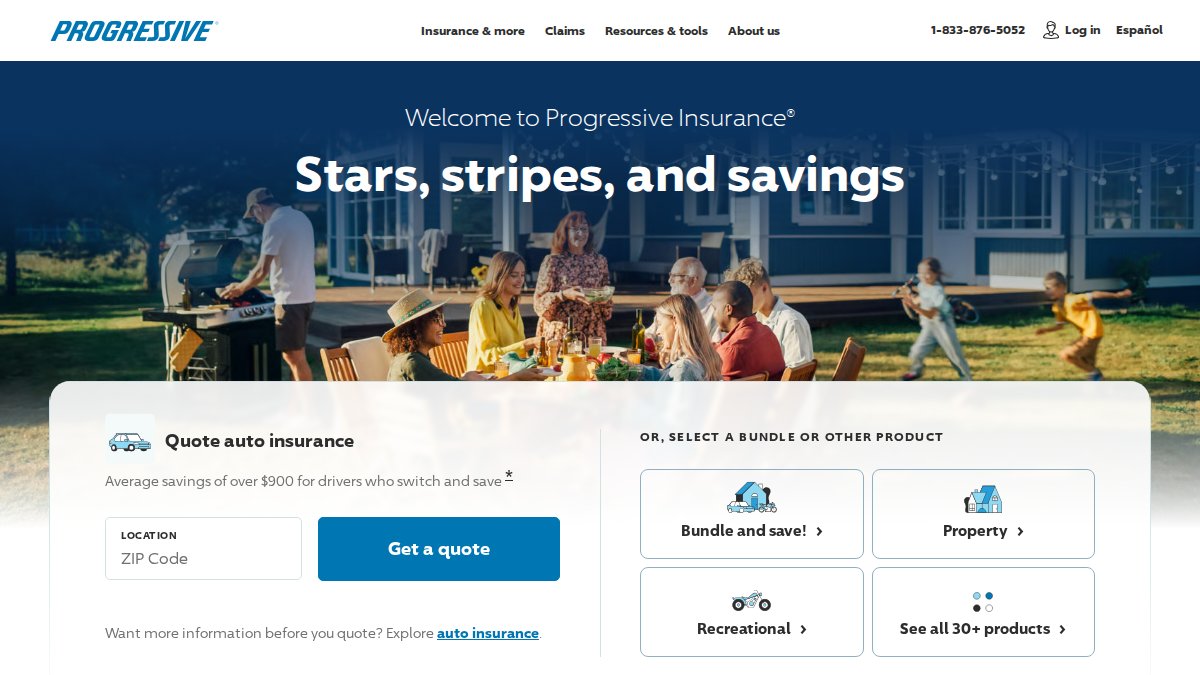
Progressive stands out for its Snapshot telematics program, which personalizes rates based on actual driving habits, and its Name Your Price tool that aligns coverage with your budget. Drivers who dislike being monitored should note that rates can shift based on the data collected.
Travelers is frequently cited as one of the most affordable options for full coverage, particularly for safe drivers with clean records, though premium savings shrink if your history includes violations.
The Comparison Marketplace: The Zebra
The Zebra is a comparison marketplace that aggregates real-time quotes from over 100 insurance providers, saving time by showing side-by-side pricing. The limitation is that it acts as a broker rather than your direct insurer, so you still need to complete the purchase and manage the relationship with whichever carrier you select.

How to Compare Insurance Agency Coverage Side by Side
Comparing insurance agencies requires looking beyond the monthly premium to the actual coverage options, policy limits, and deductible structures each provider offers. A common mistake is focusing only on price, then discovering at claim time that the cheaper policy carried higher deductibles or excluded a peril you assumed was covered.
Step 1: Standardize the Quote Request
When you request quotes, ask each agency or carrier for a quote based on the exact same parameters: a $500 deductible for both comprehensive and collision, $100,000/$300,000 liability limits, and $100,000 in property damage. If you ask for 'full coverage' without defining it, you will receive apples-to-oranges comparisons.
Step 2: Decode the Declarations Page
The declarations page is the summary of your policy, and it is where you will spot the differences that matter. Look for the line items for comprehensive and collision. Some carriers list them together as 'Other Than Collision' and 'Collision,' while others separate them. Verify the deductible amount for each, a policy might have a $500 deductible for collision but a $1,000 deductible for comprehensive.
Step 3: Ask About Endorsements and Exclusions
Standard comprehensive coverage does not cover everything. For example, if you have aftermarket parts like a custom stereo or wheels, a standard policy may only cover the original factory parts. Ask each agent if they offer an endorsement for aftermarket parts coverage. Similarly, ask about glass repair. Some states, like Florida and Kentucky, have laws that require insurers to waive the deductible for windshield repair, but in most states, you will pay your comprehensive deductible unless you have a specific glass endorsement that waives it.
Step 4: Compare the Claims Process, Not Just the Price
The cheapest policy is a poor value if the claims process is a nightmare. Ask each agency how claims are filed, do they have a 24/7 app, or do you have to call during business hours? A direct carrier like GEICO or Progressive will have a streamlined digital process, while an independent agency like Core Insurance Group will connect you with a team that can guide you through the process and help you document the damage for a faster settlement.
Step 5: Run a Cost-Benefit on the Deductible
Once you have quotes in hand, calculate the premium savings of a higher deductible. If raising your comprehensive deductible from $500 to $1,000 saves you $60 per year, you would need to go over five years without a claim to break even. If you have the cash on hand to cover the $1,000 deductible, this can be a smart financial move. However, if you live in an area prone to hail or theft, the higher deductible might not be worth the risk.
| Comparison Factor | What to Check | Why It Matters |
|---|---|---|
| Coverage options | Comprehensive and collision listed separately | Allows independent deductible tuning |
| Deductible structure | Amount you pay before coverage kicks in | Directly affects premium and out-of-pocket cost |
| Policy limits | Replacement cost vs. market value | Determines payout after a total loss |
| Glass repair terms | Separate windshield deductible or not | Common claims can be costly without clarity |
| Claims process | Digital filing vs. dedicated agent | Affects how quickly you recover after an incident |
| Endorsements | Aftermarket parts or custom equipment | Standard policies may not cover upgrades |
Best Ways to Lower Insurance Premiums Without Losing Protection
The best ways to lower insurance premiums start with bundling your home and auto policies under a single provider, which typically unlocks a multi-policy discount that neither policy would earn alone. Raising your deductible is another straightforward lever: moving from a $500 to a $1,000 deductible can reduce your premium noticeably, provided you have the savings to cover the difference if you file a claim.
Beyond bundling, review your coverage annually to remove protection you no longer need. An older vehicle with low market value may not justify collision coverage, since the premium could approach what the insurer would pay out after a total loss. Maintaining a clean driving record and taking advantage of defensive driving or telematics discounts also help. Research from the National Association of Insurance Commissioners' consumer resources confirms that shopping your policy every few years is one of the most effective ways to ensure you are not overpaying, since rates drift based on carrier pricing models and your changing risk profile.
Choosing Between an Independent Agent and a Direct Carrier
An independent agent works for you, not for a single insurance carrier, which means they can shop your coverage across multiple companies and recommend the policy that best fits your situation. A direct carrier like GEICO or Progressive sells only its own products, which simplifies the process but limits your options. The choice between the two is not just about price; it is also about navigating the regulatory landscape of your state.
How State Laws Shape Your Comprehensive Coverage Decision
Comprehensive coverage is not mandated by any state, but state laws and local conditions heavily influence whether it is a wise purchase. For example, in states with high vehicle theft rates, such as California and Colorado, comprehensive coverage is often a practical necessity, even for older vehicles. In contrast, a driver in a rural state with low crime and minimal extreme weather might reasonably drop comprehensive on a car worth less than $3,000.
State insurance regulations also affect how claims are handled. Some states, like Massachusetts and New York, have strict rules about how insurers must handle claims and require them to offer specific endorsements. An independent agent who is licensed in your state will be familiar with these local regulations and can advise you on whether your policy includes the protections required by your state's department of insurance. A direct carrier's national call center may not have the same depth of knowledge about your state's specific rules.
The Value of a Local Advocate in a Complex Claim
The practical difference between an independent agent and a direct carrier shows up at claim time and at renewal. With a direct carrier, you interact with a call center and a claims adjuster who may rotate across cases. With an independent agency, you have a consistent contact who knows your history, your assets, and your coverage options, and who advocates on your behalf when a claim is disputed, particularly valuable in states with 'comparative negligence' laws.
When a Direct Carrier Makes Sense
A direct carrier is often the right choice for a driver with a clean record, a new vehicle, and a simple insurance profile. If you are comfortable managing your policy through an app and do not anticipate needing advice, the lower overhead of a direct carrier can translate into lower premiums. However, if your situation involves a home-based business, a classic car, or a teen driver, the personalized guidance of an independent agent is often worth the potential premium difference.
The Regulatory Advantage of an Independent Agent
As documented in the Independent Insurance Agents & Brokers of America's explainer, independent agents can access carriers that do not sell directly to consumers, expanding the range of coverage options available to you. This is especially important in states with 'non-standard' insurance markets, where finding coverage for high-risk drivers can be challenging. An independent agent can shop your policy across multiple 'excess and surplus' lines carriers that are not available to the public, ensuring you can get the comprehensive coverage you need even if you have a less-than-perfect driving record.
Cost-Benefit Analysis: Comprehensive vs. Collision
Collision coverage pays to repair or replace your vehicle after an accident with another car or an object, while comprehensive coverage handles non-collision events like theft and vandalism. Both protect your own vehicle, but they insure against different risks, and most policies require you to purchase them separately.
The cost-benefit decision comes down to your vehicle's value and your financial situation. Comprehensive coverage is generally less expensive than collision because the events it covers, such as hail or deer strikes, are less frequent than accidents. A useful rule of thumb: if your annual comprehensive and collision premium combined approaches a significant percentage of your vehicle's market value, dropping collision on an older car may make financial sense, since the insurer would cap a total-loss payout at the car's depreciated value anyway.
Conclusion: Finding the Right Fit for Your Assets
The search for a Steele Group alternative for comprehensive coverage ultimately comes down to matching the provider's strengths with your own priorities. National carriers win on price and digital tools for drivers who want self-service convenience. Comparison marketplaces save time when you know exactly what coverage you need. But when your situation involves multiple vehicles, a home, a business, or assets that require careful risk management, a local independent agency provides the personalized guidance that automated systems cannot.
At Core Insurance Group, we build personalized policies tailored to your unique needs, backed by Farmers® Insurance and grounded in over 30 years of industry experience. Whether you need auto, home, life, or business coverage, or surety bonds for a contracting project, our team delivers fast quotes and clear explanations of every coverage option before you commit. Get A Quote today and see how comprehensive protection should feel when someone actually walks you through it.
Frequently Asked Questions
What is the difference between comprehensive and collision coverage?
Comprehensive coverage protects your vehicle from non-collision events like theft, vandalism, fire, or weather damage. Collision coverage pays for damage from hitting another vehicle or object, regardless of fault. Both are optional unless required by a lender. Comprehensive policies typically require a separate deductible from collision. Understanding this difference is the first step when you evaluate a Steele Group alternative for comprehensive coverage.
Is comprehensive insurance mandatory in my state?
No state requires comprehensive insurance by law. However, if you finance or lease your vehicle, the lender will almost always require it to protect their asset. Even when not mandatory, comprehensive coverage is worth considering for newer or higher-value vehicles. The annual premium is often modest compared to the financial loss of replacing a stolen car or repairing significant non-collision damage.
How do I evaluate if an insurance agency provides better comprehensive coverage?
When you compare insurance agency coverage, look beyond the premium. Check policy limits, deductible options, and any exclusions that could create a coverage gap. Review the claims process: file a claim, how long it takes, and whether you can track progress online. Ask about glass repair coverage and rental car reimbursement. An independent agency can explain how different carriers handle these details.
What is not covered by comprehensive?
Comprehensive coverage does not cover damage from a collision with another car or object; that requires collision coverage. It also excludes normal wear and tear, mechanical breakdown, and personal belongings stolen from your vehicle. Items like laptops or golf clubs fall under your homeowners or renters policy. Read your policy carefully to understand specific exclusions before you need to file a claim.