
 comparison
Local Insurance Agents vs Online: Which Serves You Best
Table of Contents
- Local Insurance Agents vs Online: Key Differences
- Pros and Cons of Working with a Local Insurance Agent
- Pros and Cons of Buying Insurance Online
- Independent Insurance Agent vs Captive Agent: What You Need to Know
- How to Lower Insurance Premiums: Agent vs Online Strategies
- Insurance Claims Assistance: Where Local Agents Excel
- Making Your Choice: Local Agent or Online Platform
- Frequently Asked Questions
Last Updated: September 2, 2026
Local Insurance Agents vs Online: Key Differences
The choice between a local insurance agent and buying coverage online fundamentally changes how you interact with your insurance, understand your coverage, and handle claims. A local insurance agent is a licensed professional who assesses your needs, compares coverage options, and manages policies ongoing. An online insurance platform is a digital marketplace where you compare quotes, purchase policies, and manage coverage independently, often without speaking to a person.
Local agents spend time understanding your specific situation, assets, liability exposure, and financial goals. Online platforms prioritize speed and price transparency, letting you see multiple quotes in minutes. The key distinction comes down to personalization versus autonomy: local agents provide tailored guidance, while online platforms give you control and often lower prices by cutting out the middleman.
Pros and Cons of Working with a Local Insurance Agent
Pros of Local Insurance Agents:
Local agents excel at understanding complexity. They ask detailed questions about your home, business, vehicles, and family situation, then recommend coverage that matches your life. A contractor with job sites in multiple states, a landlord with rental properties, or a high net worth individual all benefit from an agent's ability to think through edge cases.
Agents provide continuity, remembering your situation year after year and proactively suggesting adjustments when life changes. Claims advocacy is where agents genuinely shine, they act as your advocate when something goes wrong, helping you navigate the process and pushing back if the insurer misinterprets your coverage.
Independent agents can shop your coverage across many insurance companies, often finding better rates or coverage combinations than you'd discover alone (naic.org).

Cons of Local Insurance Agents:
Agents work business hours, so you're waiting until Monday if you need a quote at 11 p.m. on Sunday. They also require direct interaction, phone calls, office visits, or video meetings, which some people find time-consuming.
Agents earn commissions from insurance carriers, built into your premium, creating a potential conflict of interest. Agent quality varies significantly, and you're dependent on finding someone competent in your area.
Pros and Cons of Buying Insurance Online
Pros of Online Platforms:
Speed is the obvious advantage, enter information once and receive quotes from dozens of carriers in minutes. Price transparency lets you see side-by-side comparisons and exactly how changes affect your premium. You can shop at any time from anywhere without scheduling appointments.
Many online platforms offer licensed agent support if you get stuck, providing flexibility: self-service when you want it, expert input when you need it.
Cons of Online Platforms:
Online quote forms ask standard questions but can't probe deeper into unusual assets, complex liability exposure, or non-standard life circumstances. Claims support is minimal, you navigate the process with the insurance company directly.
Online platforms can't access all carriers, so their quote comparison is incomplete. Too many options can cause decision fatigue, and online platforms work best for standard coverage. Specialty insurance, surety bonds, rental property coverage, or high-value asset protection often require contacting an agent.
Independent Insurance Agent vs Captive Agent: What You Need to Know
An independent insurance agent represents multiple insurance carriers and can shop your coverage across many companies. A captive agent represents only one insurance company and can only quote and sell policies from their employer.
Independent agents offer more flexibility and can often find better rates or specialized coverage. Captive agents are deeply integrated into one company's systems and know their carrier's options inside and out, but their recommendations are limited to what their employer offers.
For most people, an independent agent offers more flexibility. Core Insurance Group operates as an independent agent, accessing multiple carriers and tailoring coverage to your specific needs rather than fitting you into one company's product lineup.
How to Lower Insurance Premiums: Agent vs Online Strategies
Strategies with a Local Agent:
A skilled agent finds rate reductions through carrier shopping and knows which companies offer the best rates for your profile. Bundling home and auto insurance with the same carrier typically saves compared to buying separately (iii.org). Agents identify discount eligibility you might miss, safety features, security systems, good driving records, professional affiliations, and flag every discount you qualify for (nerdwallet.com).
Regular policy reviews catch savings opportunities when life changes, such as paying off a mortgage, retiring, or moving to a safer neighborhood.
Strategies with Online Platforms:
Online platforms excel at price comparison, letting you adjust deductibles and coverage limits in real time and see exactly how each change affects your premium. You see quotes from many carriers at once, making it easy to identify which companies offer the best rates. You can instantly model different scenarios.
However, online platforms don't actively hunt for discounts the way agents do. You must know what discounts exist and ask for them.
Insurance Claims Assistance: Where Local Agents Excel
How Local Agents Support Claims:
A local agent acts as your advocate during the claims process, communicating with the insurance company on your behalf and ensuring your claim is processed correctly. For complex claims, major home damage, liability disputes, or claim denials, agent support is invaluable. They understand policy language, can push back if the insurer misinterprets your coverage, and help you document claims properly.
How Online Platforms Handle Claims:
Most online platforms don't provide claims support. Once you purchase a policy, you're dealing directly with the insurance company. For straightforward claims, this self-service model works fine. For complicated situations, you're on your own.
Making Your Choice: Local Agent or Online Platform
Choose a Local Agent If:
You have complex coverage needs, rental properties, a business, high-value assets, or unusual liability exposure. You prefer ongoing support and want someone who remembers your situation and advocates during claims. You're willing to pay slightly more for convenience and peace of mind.
Choose an Online Platform If:
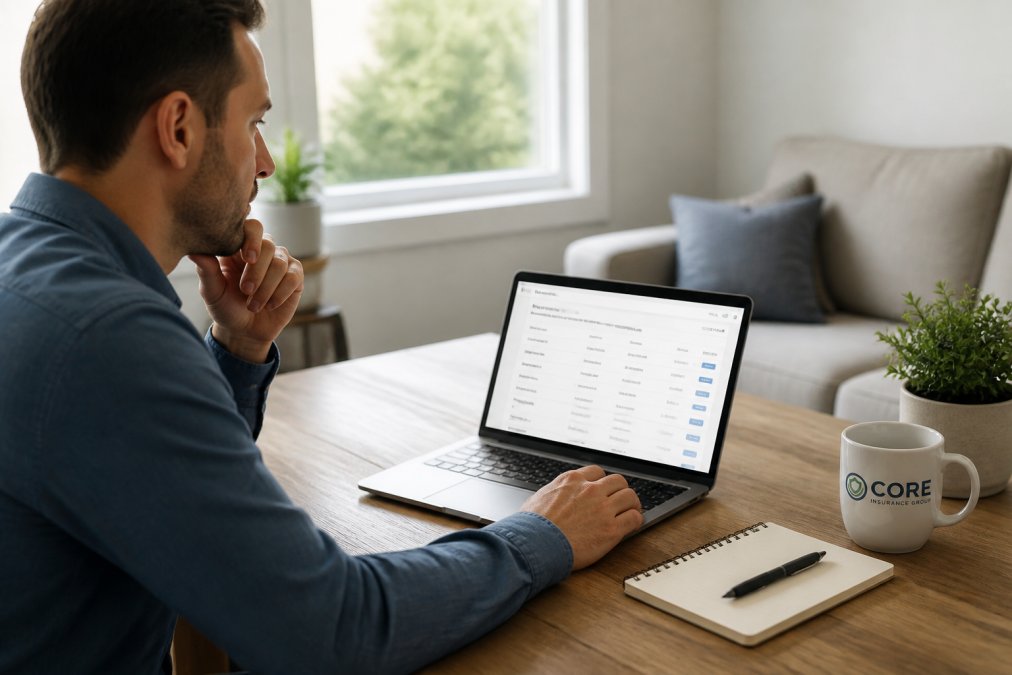
You have straightforward coverage needs, a standard vehicle, single home with typical coverage, and no unusual assets. You're confident in your insurance knowledge and understand deductibles, coverage limits, and policy language. You want to shop around quickly, prefer self-service, or prioritize lower premiums.
A Hybrid Approach:
Many people benefit from combining both approaches. You might get quotes online to understand the market, then work with an agent to refine coverage and ensure you're not missing anything. Some platforms like Policygenius offer licensed agent support alongside self-service shopping.
Local insurance agents and online platforms serve different needs. Neither is universally better, they're better for different people in different situations. The best choice aligns with how you prefer to manage insurance and what level of guidance you need.
At Core Insurance Group, we work with clients who value personalized guidance, ongoing support, and claims advocacy. We shop multiple carriers to find competitive rates, identify every discount you qualify for, and manage your coverage as your life changes. If that approach appeals to you, we'd welcome the opportunity to review your coverage and show you what personalized insurance support looks like.
Navigating insurance decisions doesn't have to mean choosing between expert guidance and competitive pricing. Core Insurance Group combines the personalized service of a local agent with access to multiple carriers, ensuring you get tailored coverage at competitive rates. Our team handles everything from initial assessment to claims advocacy, backed by Farmers® Insurance and 30+ years of industry experience. Get A Quote today and discover how working with a dedicated insurance partner simplifies protection.
=== FAQ ANSWERS (audit these too, same rules) ===
[1] Q: Is it better to buy insurance online or through a local agent? A: The choice depends on your priorities. Online platforms offer convenience and quick quotes, making them ideal if you want to compare prices fast and handle everything digitally. Local insurance agents provide personalized guidance, access to multiple carriers, and hands-on support during claims. If you have complex coverage needs or value one-on-one advice, a local agent typically delivers more value. Many people find a hybrid approach works best: get online quotes for price comparison, then discuss options with a local agent to ensure you have the right coverage.
[2] Q: What is the difference between an independent insurance agent and a captive agent? A: An independent insurance agent represents multiple insurance carriers, allowing them to shop around and find the best rates and coverage for your specific situation. A captive agent works exclusively for one insurance company and can only sell that company's policies. Independent agents have more flexibility to customize coverage and often find more competitive pricing by comparing options across carriers. Captive agents may offer deeper expertise in their specific company's products but have limited choices to present to you.
[3] Q: Does using a local insurance agent cost more than buying online? A: Not necessarily. Both local agents and online platforms earn commissions from insurance carriers, which are built into your premium. You don't pay extra to work with a local agent. However, local agents often access multiple carriers and can potentially save you money compared to buying directly online. The real cost difference comes down to the coverage you choose and the discounts you qualify for, not the sales channel. Getting quotes from both sources helps you compare actual prices.
[4] Q: How does a local agent help during the claims process? A: Local agents provide claims advocacy by helping you navigate the process, explaining what's covered, and communicating with the insurance company on your behalf. They review your policy to ensure you understand your coverage limits and deductibles before a claim happens. When you do file a claim, they follow up with the carrier, answer your questions, and work to resolve disputes if coverage is questioned. This support reduces stress during an already difficult time and helps ensure you receive the benefits you're entitled to under your policy.
[5] Q: What are some strategies to lower insurance premiums when working with an agent? A: Local agents help lower premiums by bundling policies (combining auto and home insurance for discounts), reviewing coverage limits to eliminate unnecessary protection, and identifying discounts you qualify for (safety features, good driving record, home security systems). They also shop multiple carriers to find competitive rates. Online platforms allow you to compare quotes quickly across carriers, which can reveal price differences. Both channels can help you lower costs, but agents provide personalized recommendations based on your specific situation, while online platforms emphasize self-service comparison.
Frequently Asked Questions
Is it better to buy insurance online or through a local agent?
The choice depends on your priorities. Online platforms offer convenience and quick quotes, making them ideal if you want to compare prices fast and handle everything digitally. Local insurance agents provide personalized guidance, access to multiple carriers, and hands-on support during claims. If you have complex coverage needs or value one-on-one advice, a local agent typically delivers more value. Many people find a hybrid approach works best: get online quotes for price comparison, then discuss options with a local agent to ensure you have the right coverage.
What is the difference between an independent insurance agent and a captive agent?
An independent insurance agent represents multiple insurance carriers, allowing them to shop around and find the best rates and coverage for your specific situation. A captive agent works exclusively for one insurance company and can only sell that company's policies. Independent agents have more flexibility to customize coverage and often find more competitive pricing by comparing options across carriers. Captive agents may offer deeper expertise in their specific company's products but have limited choices to present to you.
Does using a local insurance agent cost more than buying online?
Not necessarily. Both local agents and online platforms earn commissions from insurance carriers, which are built into your premium. You don't pay extra to work with a local agent. However, local agents often access multiple carriers and can potentially save you money compared to buying directly online. The real cost difference comes down to the coverage you choose and the discounts you qualify for, not the sales channel. Getting quotes from both sources helps you compare actual prices.
How does a local agent help during the claims process?
Local agents provide claims advocacy by helping you navigate the process, explaining what's covered, and communicating with the insurance company on your behalf. They review your policy to ensure you understand your coverage limits and deductibles before a claim happens. When you do file a claim, they follow up with the carrier, answer your questions, and work to resolve disputes if coverage is questioned. This support reduces stress during an already difficult time and helps ensure you receive the benefits you're entitled to under your policy.
What are some strategies to lower insurance premiums when working with an agent?
Local agents help lower premiums by bundling policies (combining auto and home insurance for discounts), reviewing coverage limits to eliminate unnecessary protection, and identifying discounts you qualify for (safety features, good driving record, home security systems). They also shop multiple carriers to find competitive rates. Online platforms allow you to compare quotes quickly across carriers, which can reveal price differences. Both channels can help you lower costs, but agents provide personalized recommendations based on your specific situation, while online platforms emphasize self-service comparison.
This article was written using GrandRanker
Frequently Asked Questions
Is it better to buy insurance online or through a local agent?
The choice depends on your priorities. Online platforms offer convenience and quick quotes, making them ideal if you want to compare prices fast and handle everything digitally. Local insurance agents provide personalized guidance, access to multiple carriers, and hands-on support during claims. If you have complex coverage needs or value one-on-one advice, a local agent typically delivers more value. Many people find a hybrid approach works best: get online quotes for price comparison, then discuss options with a local agent to ensure you have the right coverage.
What is the difference between an independent insurance agent and a captive agent?
An independent insurance agent represents multiple insurance carriers, allowing them to shop around and find the best rates and coverage for your specific situation. A captive agent works exclusively for one insurance company and can only sell that company's policies. Independent agents have more flexibility to customize coverage and often find more competitive pricing by comparing options across carriers. Captive agents may offer deeper expertise in their specific company's products but have limited choices to present to you.
Does using a local insurance agent cost more than buying online?
Not necessarily. Both local agents and online platforms earn commissions from insurance carriers, which are built into your premium. You don't pay extra to work with a local agent. However, local agents often access multiple carriers and can potentially save you money compared to buying directly online. The real cost difference comes down to the coverage you choose and the discounts you qualify for, not the sales channel. Getting quotes from both sources helps you compare actual prices.
How does a local agent help during the claims process?
Local agents provide claims advocacy by helping you navigate the process, explaining what's covered, and communicating with the insurance company on your behalf. They review your policy to ensure you understand your coverage limits and deductibles before a claim happens. When you do file a claim, they follow up with the carrier, answer your questions, and work to resolve disputes if coverage is questioned. This support reduces stress during an already difficult time and helps ensure you receive the benefits you're entitled to under your policy.
What are some strategies to lower insurance premiums when working with an agent?
Local agents help lower premiums by bundling policies (combining auto and home insurance for discounts), reviewing coverage limits to eliminate unnecessary protection, and identifying discounts you qualify for (safety features, good driving record, home security systems). They also shop multiple carriers to find competitive rates. Online platforms allow you to compare quotes quickly across carriers, which can reveal price differences. Both channels can help you lower costs, but agents provide personalized recommendations based on your specific situation, while online platforms emphasize self-service comparison.